Día de Todos los Santos in Spain and a Beautiful Tradition of Remembrance
Today, November 1, is Día de Todos los Santos, or All Saints’ Day, here in Spain. Since moving to Alicante, we’ve been learning about the holidays, customs, and traditions that are part of everyday life in our new country. Some celebrations are lively and filled with music, fireworks, and festivals, while others are much quieter and more personal. Today is one of those meaningful occasions that reminds us of the importance of family, remembrance, and honoring the people who came before us.
Día de Todos los Santos is observed throughout Spain every year on November 1. It’s a day when many families remember loved ones who have passed away, often by visiting cemeteries, bringing fresh flowers, and spending time reflecting on their memories. Although the holiday has religious roots, its traditions also carry deep cultural and family meaning. I think there’s something beautiful about setting aside a day to remember the people who helped shape our lives, even when they are no longer with us.
This is our first November living in Spain, and I’m enjoying learning about traditions that weren’t part of our regular routines when we lived in the United States. Understanding these holidays helps us feel more connected to the country we’re now calling home. It’s another reminder that moving abroad involves much more than discovering beautiful places. It also means learning about the history, values, and customs that are important to the people around us.
What Is Día de Todos los Santos?
Día de Todos los Santos translates to All Saints’ Day in English. It is a Christian observance traditionally dedicated to honoring all saints, including those who do not have their own individual feast days. In Spain, the day has also become closely associated with remembering deceased family members and loved ones, making it both a religious and cultural occasion.
Unlike some of the larger festivals we’ve experienced in Alicante, Día de Todos los Santos is generally a more reflective holiday. Many people use the day to visit family graves, attend religious services, or spend time with relatives. The focus isn’t on elaborate celebrations but on remembrance, respect, and keeping family connections alive across generations.
For someone learning about Spanish culture, it’s an important tradition to understand because it reflects how strongly family and remembrance are valued in many communities.
Visiting Cemeteries and Honoring Loved Ones
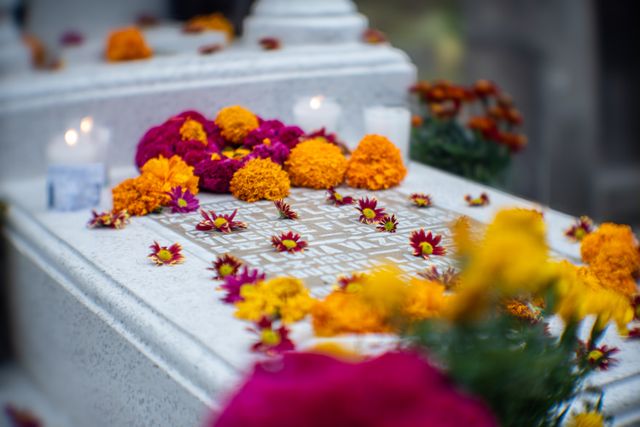
One of the most recognizable traditions associated with Día de Todos los Santos is visiting cemeteries. In the days leading up to November 1, families often prepare the graves of their loved ones by cleaning headstones, arranging flowers, and making sure the resting places are cared for. On the holiday itself, many return to spend time remembering those who have passed away.
Fresh flowers are especially important during this observance. Chrysanthemums are commonly associated with the holiday in Spain, although families may choose other flowers as well. Cemeteries can become filled with colorful floral arrangements, creating a beautiful expression of love and remembrance.
I think there’s something meaningful about this tradition because it encourages families to make time for the people they have lost. Life moves quickly, and it’s easy to become caught up in work, school, and everyday responsibilities. Día de Todos los Santos provides an opportunity to slow down and remember the relationships and memories that continue to matter.
The Importance of Family and Remembrance in Spain
One thing we’ve noticed while learning about Spanish traditions is how often family plays a central role. Whether it’s gathering for a holiday meal, attending a local celebration, or honoring relatives who have passed away, family connections are an important part of many cultural customs.
Día de Todos los Santos reflects that emphasis in a particularly meaningful way. It’s not simply about visiting a cemetery or following a religious tradition. For many families, it’s about remembering parents, grandparents, siblings, and other loved ones whose influence continues long after their lives have ended.
These traditions can also help younger generations learn about their family history. Children may hear stories about relatives they never met or learn more about the people who came before them. In that way, remembrance becomes something that connects generations rather than focusing only on loss.
Traditional Sweets Enjoyed on All Saints’ Day
Something I find especially interesting about holidays in Spain is how many have traditional foods associated with them. Día de Todos los Santos is no exception, and several sweets are commonly enjoyed around November 1. Two of the best-known are buñuelos de viento and huesos de santo.
Buñuelos de viento are small, light pastries made from fried dough. Their name translates roughly to “wind fritters,” referring to their airy texture. They may be served plain, dusted with sugar, or filled with cream, chocolate, or other sweet fillings.
Huesos de santo, meaning “saints’ bones,” are another traditional treat. Despite the unusual name, they’re sweet pastries made with marzipan and traditionally filled with a sweet egg-yolk mixture. Their shape is meant to resemble small bones, connecting them symbolically to the holiday’s theme of remembrance.
Learning about foods like these is one of my favorite parts of discovering Spanish culture. Even a quiet holiday can have traditions that bring families together through familiar recipes and seasonal treats.
How Día de Todos los Santos Differs From Halloween
Because Día de Todos los Santos falls immediately after Halloween, it’s easy to assume the two holidays are closely connected in the way they’re celebrated. However, their meanings and traditions are quite different. Halloween, observed on October 31, is often associated with costumes, decorations, trick-or-treating, and parties.
All Saints’ Day, on November 1, has a more reflective purpose. Rather than focusing on costumes or entertainment, many families spend the day remembering deceased loved ones and honoring their memory. Both dates have historical connections to Christian observances, but their modern customs can look very different.
Experiencing Día de Todos los Santos in Spain has helped me appreciate that the beginning of November can carry several different meanings. While some families enjoy Halloween activities, November 1 is traditionally a time for remembrance and family connections.
A Quiet Holiday Following a Difficult Week
This year’s observance feels especially meaningful because Spain has recently experienced the devastating train tragedy that claimed so many lives. The country declared three days of national mourning, and many Halloween events were canceled or postponed out of respect for those affected.
After such a heartbreaking event, Día de Todos los Santos feels particularly significant. It’s already a holiday centered on remembering people who have passed away, and this year, many families are also grieving recent losses. Our thoughts remain with everyone affected by the tragedy and with the families who are facing an incredibly difficult time.
While the holiday and the national mourning period are separate observances, their timing is a reminder of how important compassion and remembrance are. We hope everyone who is grieving finds support and comfort from the people around them.
Learning About Spanish Holidays as an American Family
When we decided to move from the United States to Spain, we knew we’d be experiencing a different culture, language, and lifestyle. What I didn’t fully appreciate was how much we would learn simply by living here throughout the year and discovering the meaning behind different holidays.
Día de Todos los Santos is a perfect example. It’s a national public holiday in Spain, but understanding its importance requires looking beyond the fact that some businesses and offices may be closed. The traditions surrounding the day tell a story about family, history, faith, and remembrance.
The official Spain tourism website provides information about Spanish culture, traditions, and holidays for anyone interested in learning more about the country. I’ve found that understanding the meaning behind these observances makes living here even more rewarding.
Why Learning Local Traditions Matters to Us
One of our goals since moving to Alicante has been to experience life in Spain rather than simply live here while continuing all our old routines. We still enjoy familiar traditions from our years in the United States, but we also want to understand and appreciate the customs that are important in our new community.
Learning about Día de Todos los Santos is part of that process. We don’t need to have grown up with a particular holiday to recognize its meaning or respect the people who observe it. Taking time to understand different traditions helps us become more connected to the place where we’re raising our children.
I also think it’s valuable for our kids to grow up learning about different cultural practices. Understanding why people celebrate or observe certain days encourages curiosity, respect, and appreciation for experiences beyond their own.
Remembering Those Who Came Before Us
As I’ve gotten older, I’ve become more aware of how quickly time passes and how important our relationships are. We spend so much of our lives focused on what’s next that we sometimes forget to reflect on the people and experiences that helped bring us to where we are today.
Día de Todos los Santos encourages that reflection. Whether someone visits a cemetery, lights a candle, attends a religious service, or simply spends a few quiet moments remembering a loved one, the meaning behind the tradition is deeply personal.
I appreciate that Spain has a day dedicated to this kind of remembrance. It’s a reminder that the people we love remain part of our stories, even after they’re gone.
A Meaningful Part of Our First Year in Spain
As we continue experiencing our first year in Alicante, I’m grateful for the opportunity to learn about traditions like Día de Todos los Santos. Not every holiday is meant to be exciting or filled with celebrations. Some are meant to encourage us to slow down, reflect, and appreciate the people who have been part of our lives.
Today is a day to remember loved ones, honor family history, and recognize the importance of keeping memories alive. It’s a beautiful tradition, and one that carries a message anyone can appreciate, regardless of their background or beliefs.
To everyone observing Día de Todos los Santos today, we hope the day brings peaceful memories and a sense of connection to the people you love.
Have you experienced Día de Todos los Santos in Spain? Does your family have special traditions for remembering loved ones who have passed away? I’d love to hear how you observe this meaningful day and what it means to you.


You May Also Like

Downsizing for Spain: Embracing a Bold Fresh Start

We Are Not Going on Vacation—We Are Building a Meaningful Life as an Immigrant
